
The Mike Lindell Trial became a major legal story because it brought together election misinformation, defamation law, and the personal impact of false public claims. Lindell, best known as the founder of MyPillow, became one of the most visible promoters of false claims about the 2020 U.S. presidential election. Those claims later led to several lawsuits.
The main defamation case people usually mean involves Eric Coomer, a former employee of Dominion Voting Systems. Coomer argued that Lindell and his media platform helped spread false claims that damaged his reputation and made him a target of threats. In June 2025, a federal jury in Colorado found Lindell liable for defamation and ordered him and his platform to pay damages.
What Was the Mike Lindell Trial About?
The Mike Lindell Trial was not a trial about whether the 2020 election was stolen. Courts and election officials have repeatedly rejected those fraud claims. Instead, this case focused on whether Lindell made false and damaging statements about one specific person: Eric Coomer.
Coomer said he was wrongly pulled into election conspiracy theories after the 2020 vote. The claims suggested that he had helped manipulate election results, even though there was no credible evidence proving that allegation. He argued that the statements harmed his career, damaged his name, and caused serious personal consequences.
The legal issue was defamation. In simple terms, defamation happens when someone makes a false statement of fact that damages another person’s reputation. In public cases like this, the court also looks at whether the speaker acted with the required level of fault.
That distinction matters because political speech is strongly protected in the United States. People can express opinions, criticise public issues, and debate elections. But those protections do not give anyone unlimited permission to make false factual claims about a private person or professional.
Who Is Eric Coomer and Why Did He Sue?
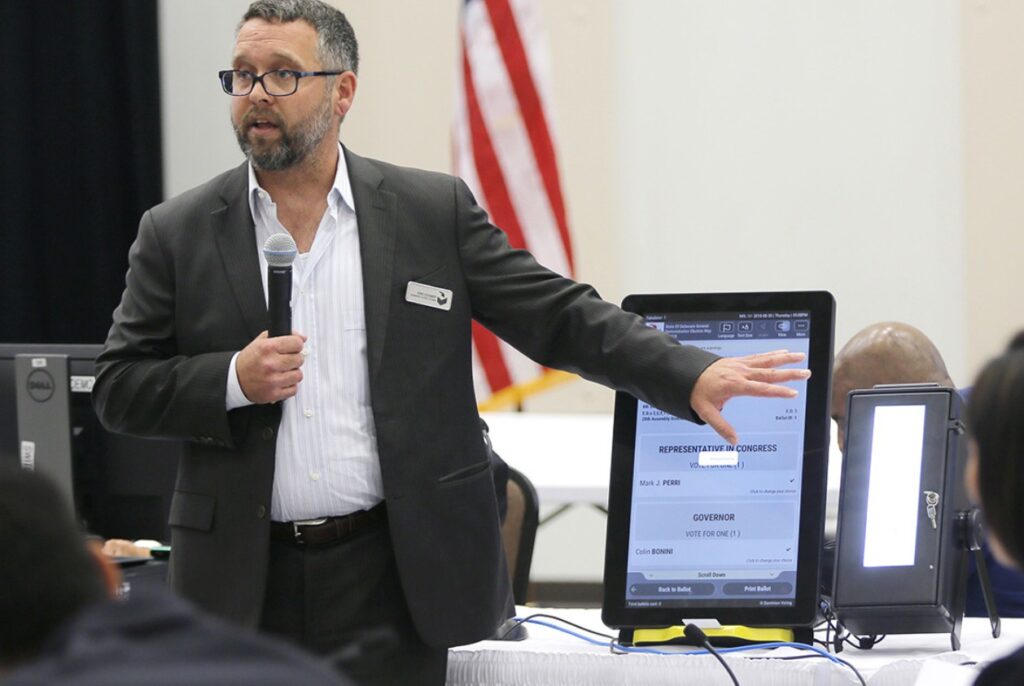
Eric Coomer was a Dominion Voting Systems employee who became the subject of false election-related claims after the 2020 election. His name appeared in conspiracy theories that alleged voting technology had been used to change results. Coomer denied those claims and took legal action.
He sued Lindell, Lindell’s online media platform, and others connected to the spread of the allegations. Coomer argued that the false claims did not stay online as ordinary political talk. He said they affected his safety, his professional life, and his ability to live normally.
The case showed how quickly misinformation can move from public debate into personal harm. A person who was not a national political figure became widely discussed because of claims linked to a national controversy. That made the lawsuit about more than reputation alone.
For Coomer, the trial was a way to challenge the public accusations made against him. For Lindell, the case was framed as a fight over speech, election concerns, and his right to question voting systems. The jury had to decide whether the statements at issue were protected opinion or unlawful defamation.
What Did the Jury Decide?
In June 2025, a federal jury in Colorado found that Lindell and his online platform had defamed Coomer. The jury ordered Lindell and the platform to pay $2.3 million in damages. The decision did not give Coomer everything he sought, but it was still a significant legal defeat for Lindell.
The jury considered multiple statements, but it did not find every challenged statement defamatory. That is important because it shows the verdict was not a blanket rejection of all political speech. Instead, jurors focused on specific statements they believed crossed the legal line.
According to Reuters, the Colorado jury found Lindell’s statements about election fraud were false and defamatory toward the former Dominion employee. The report also noted that MyPillow itself was not held liable in that verdict, which Lindell described as a partial victory despite the damages award against him and his platform. You can read the full Reuters report on the Mike Lindell defamation verdict.
The verdict mattered because many election-related defamation cases had ended in settlements before reaching a jury. This case gave the public a clearer courtroom outcome. It also showed that false claims about election workers or voting company employees can carry serious legal consequences.
How Is This Case Different from Other Lindell Lawsuits?
The Mike Lindell Trial involving Eric Coomer is separate from other legal cases involving Lindell, Dominion, and Smartmatic. That can be confusing because many of the lawsuits grew out of similar post-2020 election claims. Still, each case has its own parties, facts, and legal questions.
Coomer’s case was personal. He sued over statements about himself and the harm he said those statements caused. Dominion’s corporate lawsuit against Lindell is different because Dominion is a company claiming reputational and business damage from false claims about its voting systems.
Smartmatic also filed a separate defamation case against Lindell. In that case, the company accused him of making false statements about its role in the 2020 election. A later ruling found that Lindell had defamed Smartmatic, though some legal issues, including damages and actual malice, were left for further proceedings.
There was also a separate dispute involving Lindell’s “Prove Mike Wrong” challenge. That case focused on a contest and an arbitration award, not Coomer’s defamation claims. Because these matters are often discussed together, readers should be careful not to treat them as a single trial.
What Happens Next?
After the Coomer verdict, Lindell said he planned to appeal. Appeals are common after major civil verdicts, especially in defamation cases involving public controversy and large damages. An appeal does not erase a jury verdict unless a higher court changes the result.
In 2026, a federal judge refused to overturn the verdict at that stage. That meant the jury’s decision remained in place while further legal options could continue. This was another setback for Lindell in the Coomer case.
The broader legal picture remains important. Lindell has faced several election-related cases, and those cases have produced different outcomes. Some involve jury verdicts. Some involve judicial rulings. Others involve appeals or unresolved questions about damages.
For readers searching for a simple answer, the main point is this: in the Coomer defamation case, Lindell lost at trial and was ordered to pay damages. Related lawsuits may continue, but the Colorado verdict remains the central event behind the phrase Mike Lindell Trial.
Conclusion
The Mike Lindell Trial was mainly about defamation, not a full review of the 2020 election. Eric Coomer sued after false claims linked him to election fraud conspiracy theories. A Colorado jury found that Lindell and his platform defamed him and ordered them to pay $2.3 million in damages.
The case is important because it shows the legal risk of spreading false claims about individuals, especially in politically charged situations. Lindell still has related legal matters, but the Coomer verdict stands as a major courtroom result in the wider fallout from 2020 election misinformation.
FAQs
What was the Mike Lindell Trial about?
It was mainly about defamation claims brought by Eric Coomer, a former Dominion Voting Systems employee, over false election-related statements.
Did Mike Lindell lose the defamation case?
Yes. A Colorado federal jury found Lindell and his online platform liable and ordered them to pay $2.3 million in damages.
Was MyPillow held liable in the trial?
Reports said MyPillow itself was not held liable in the Coomer verdict. The damages were against Lindell and his media platform.
Is the Mike Lindell Trial the same as the Smartmatic case?
No. The Coomer case, Dominion case, Smartmatic case, and contest dispute are separate legal matters.